Posted 5 months ago
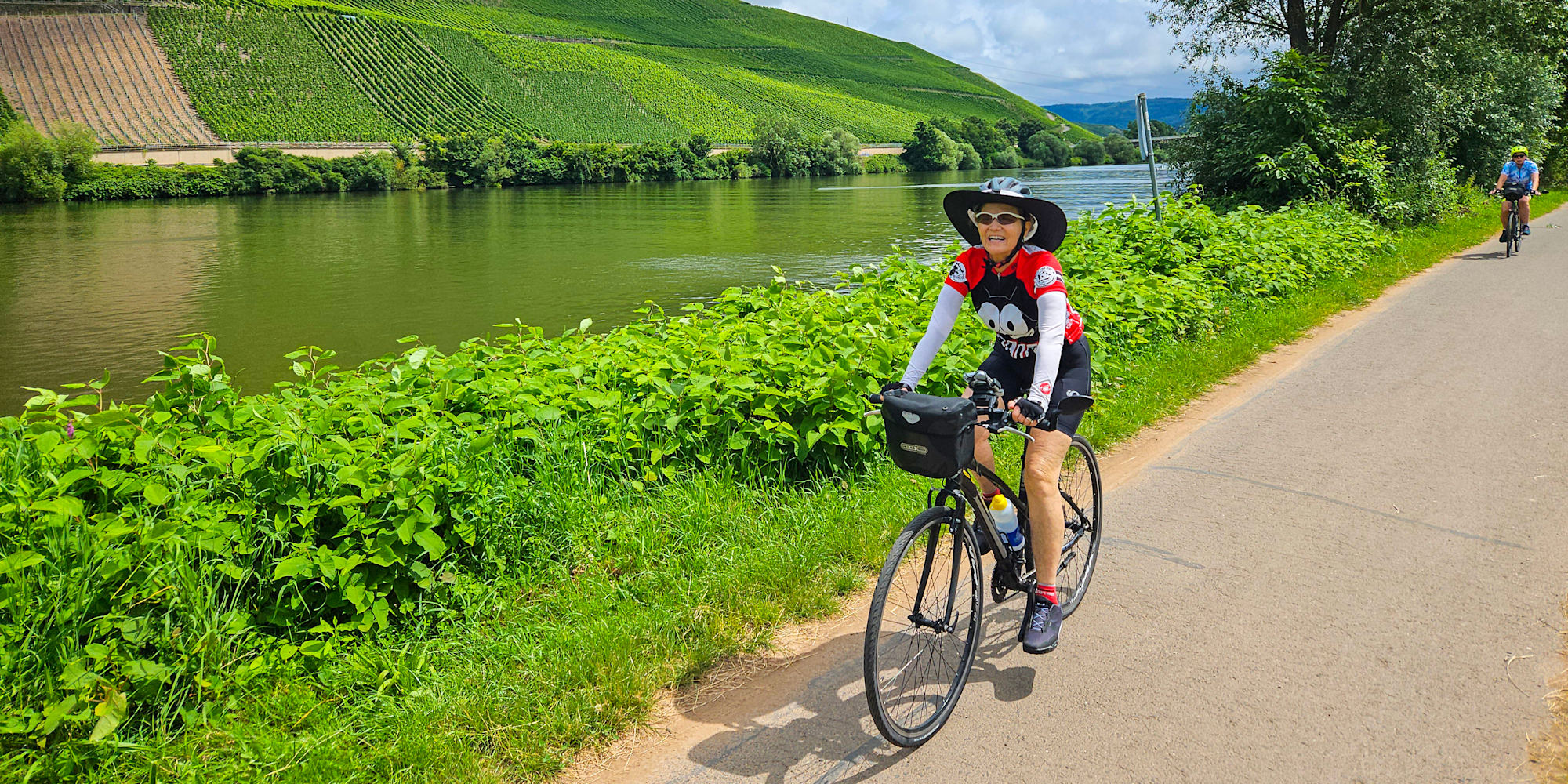
Europe is made for the pace of a bicycle
Europe is one of the world’s most rewarding places to explore by bike because the distances feel human, the landscapes change often, and the route is never just a route. A morning ride might follow a quiet river path past vineyards and castle ruins. By afternoon, you may be rolling into a walled town, sitting down to regional food, or walking cobbled streets shaped by centuries of history.
A guided European bike tour brings these moments together without asking you to manage every detail on your own. The daily routes, bikes, lodging, luggage logistics, local guidance, meals and support are thoughtfully arranged, so you can focus on the pleasure of riding and discovery. You do not need to be an elite cyclist to enjoy Europe by bike. You need curiosity, a comfortable level of fitness for your chosen route, and the willingness to let the day unfold at the pace of two wheels.
For 2027, Discovery Bicycle Tours is adding new ways to experience Europe’s remarkable variety, including Normandy’s coast and historic villages, two Camino de Santiago bike journeys, Portugal from Évora to the Algarve, and Spain’s Costa Brava and Catalonia coast. Together with tours in France, the Netherlands, Croatia, Italy, Portugal and Spain, they show why Europe continues to be such a natural home for scenic, supported cycling vacations.
Historic trails feel more meaningful when you ride them
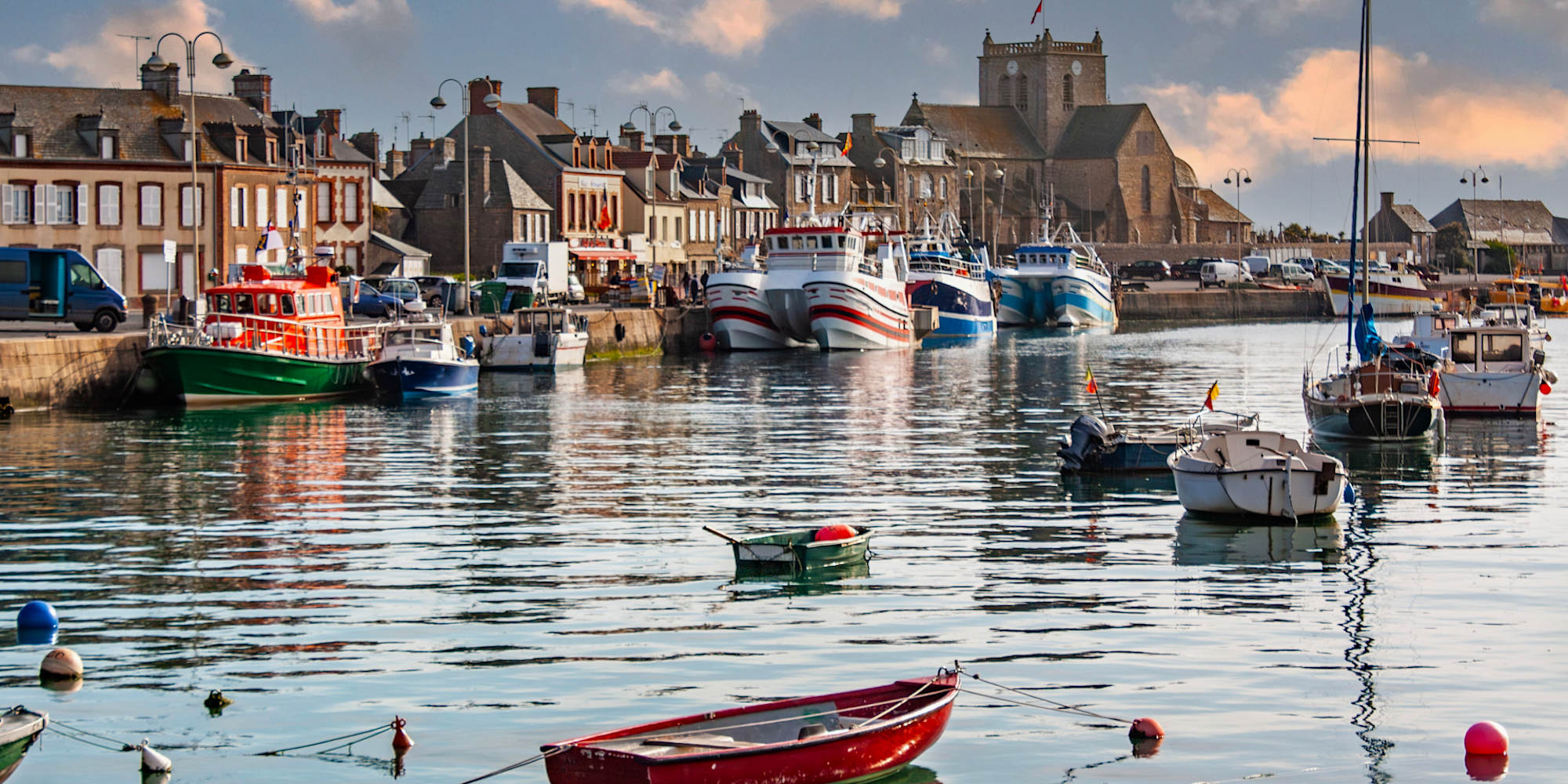
One of the great joys of cycling in Europe is that history is not something you only visit at the end of the day. It sits beside the road, appears around a bend, and becomes part of the ride.
In France, Normandy’s quiet lanes lead through harbor towns, wide coastal views and villages shaped by both everyday rural life and the events of World War II. Discovery Bicycle Tours’ new 6-Day Normandy Coast & Historic Villages Bike Tour is designed as a relaxed Level 2 ride, with coastal roads, bike paths, country lanes and meaningful stops at places such as Sainte-Mère-Église, Utah Beach, Omaha Beach and Bayeux. It is a strong fit for travelers who want gentle-to-intermediate riding with rich history woven into each day.
In Spain and Portugal, the Camino de Santiago offers a different kind of history: one built by generations of pilgrims, stone villages, chapels, waymarkers and shared human purpose. Discovery’s new 7-Day Camino de Santiago Bike Tour follows or stays close to the traditional route from León to Santiago de Compostela, while the new 7-Day Portuguese Camino Porto to Santiago Bike Tour blends Atlantic coastal paths, quiet roads, ferry crossings, Galician countryside and the unforgettable arrival into Santiago.
The Camino is especially meaningful in 2027 because it is a Holy Year, a time when Santiago de Compostela welcomes pilgrims with added ceremony and energy. For travelers who have long dreamed of the Camino but prefer a supported cycling experience, these tours offer a practical and memorable way to ride the journey with guides, route options and van support nearby.
This is where Europe shines for cyclists. You are not simply covering mileage. You are moving through stories.
Europe’s scenery changes beautifully from region to region
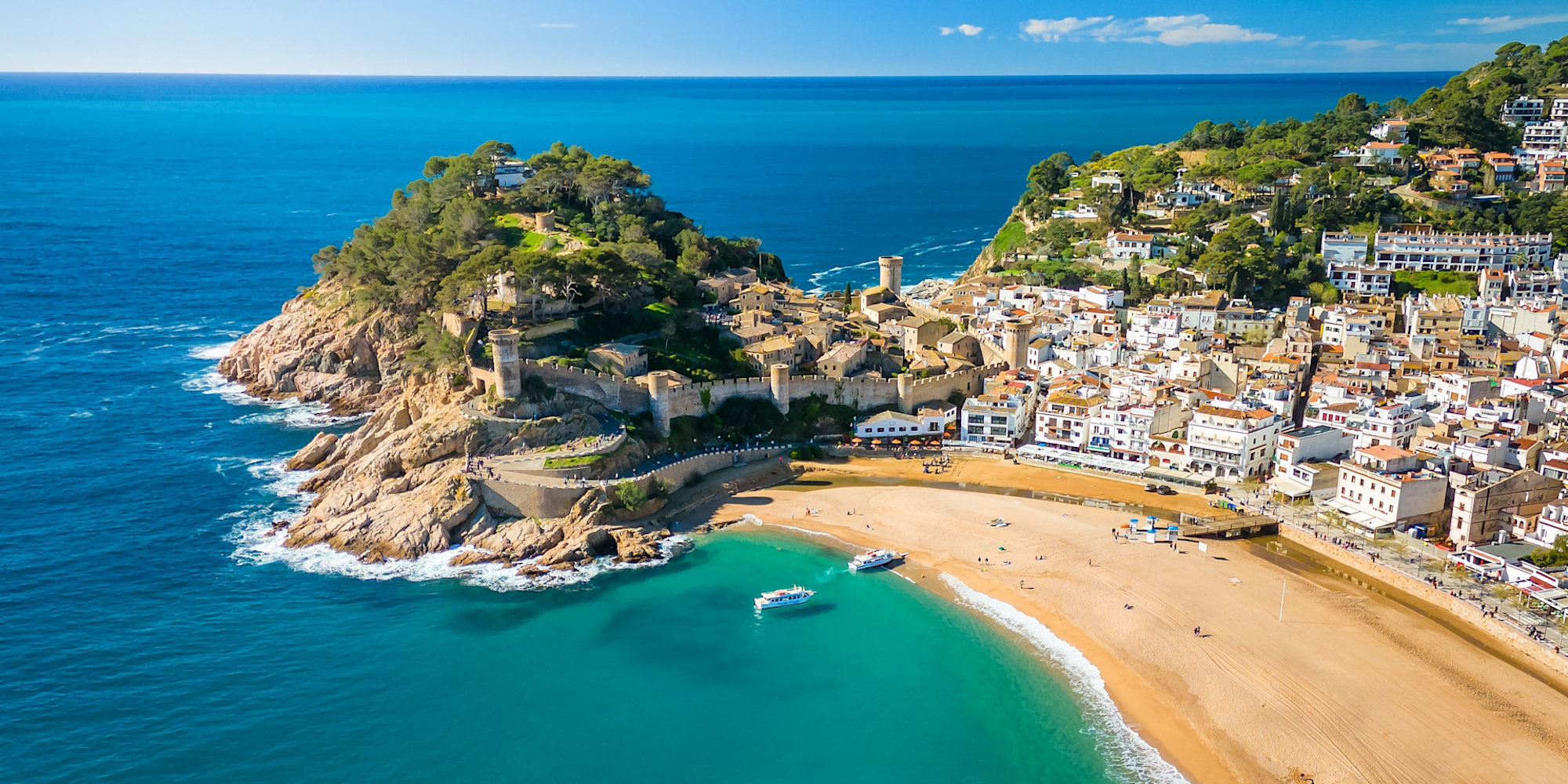
Europe’s landscapes are wonderfully varied, and cycling makes those changes easy to feel. A train or tour bus can move you from one region to another, but a bicycle lets you notice the transition: river valley to vineyard, farmland to sea cliff, village square to open countryside.
In the Netherlands, the joy is in smooth paths, canals, windmills, tulip fields and the easy rhythm of a country that has made cycling part of daily life. In Croatia, an e-bike cruise lets riders combine island cycling with time on the water between Split and Dubrovnik, bringing together coastal views, historic ports and relaxed Adriatic days.
Italy offers another version of cycling pleasure: the drama of the Dolomites, lakeside paths, vineyard landscapes, hill towns and the gradual approach toward Venice. Portugal moves from cork forests and rolling Alentejo countryside to the wild Atlantic edge of the Algarve. Spain’s Costa Brava pairs greenways and Mediterranean views with fishing villages, medieval streets, vineyards and the distinctive culture of Catalonia.
The official EuroVelo network underscores how deeply cycling is connected across Europe: it is planned as a continent-wide network of 17 long-distance cycle routes totaling more than 90,000 kilometers when complete, with many developed sections already using cycle paths and low-traffic roads. You do not need to ride across the continent to benefit from that cycling culture. Even on a weeklong guided tour, you feel the difference in the way many European regions connect towns, food, history and scenery at a bike-friendly scale.
Food, wine and local culture are part of your biking vacation in Europe
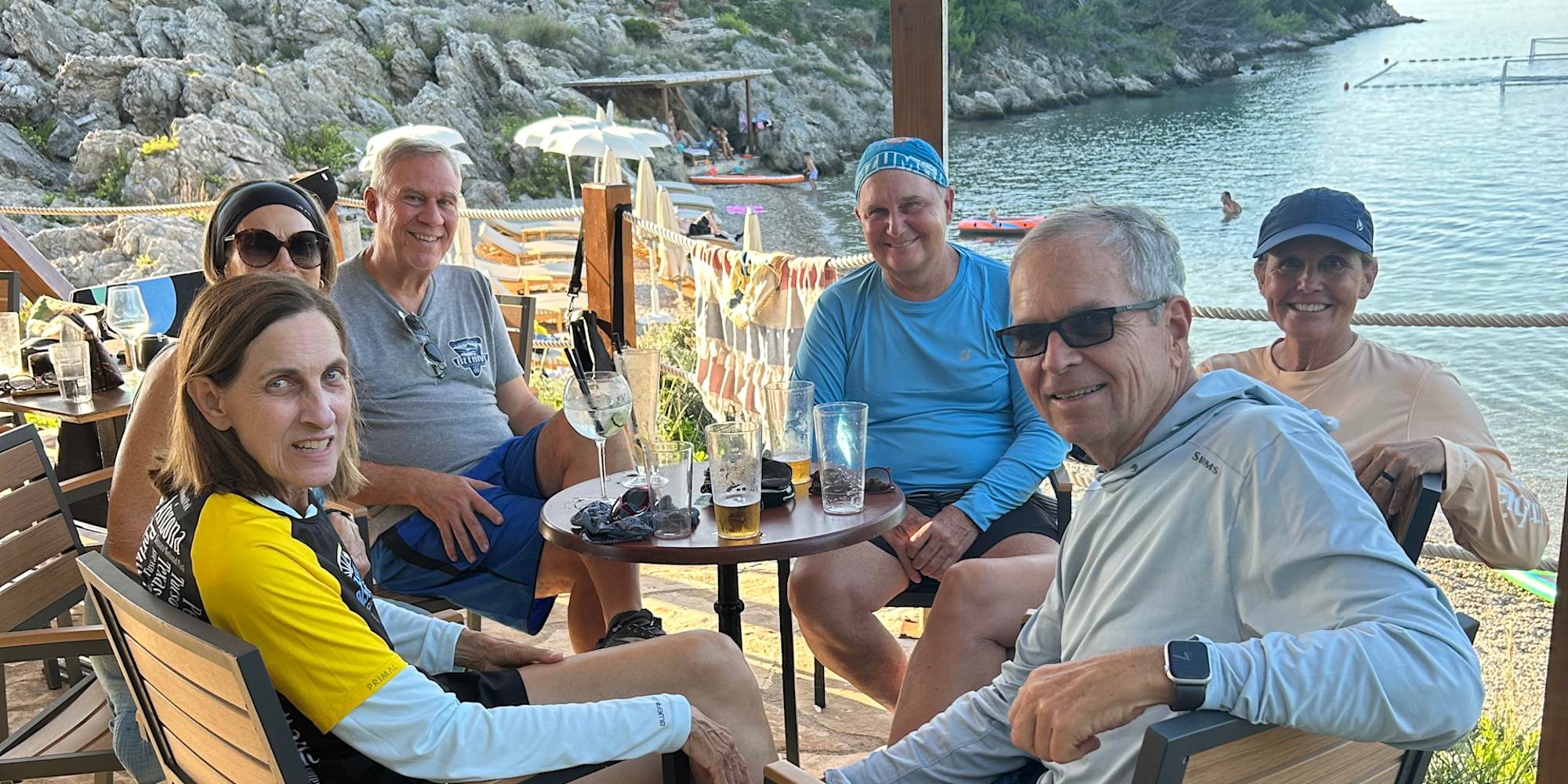
A Europe bike tour is rarely just about the bike. It is about what the bike makes possible: arriving hungry at the right café, tasting something grown nearby, talking with local guides about a place they know well, and having enough time to wander after the ride.
In France, that might mean seafood along the Normandy coast, a market town picnic, or time in Bayeux after a day shaped by coastal history. In Germany’s Moselle Valley, it might be vineyard views, regional wines and riverside villages. In the Netherlands, it may be spring flowers, canals and relaxed café stops. In Croatia, it could be island meals, swim breaks and old stone towns. In Italy, expect food to be inseparable from place: olive oil, wine, pasta, hill towns and regional hospitality. In Portugal, cork traditions, seaside villages, fresh seafood and Atlantic views give the ride its flavor. In Spain, Catalan cuisine, Camino meals and Mediterranean towns make each stop feel distinct.
This is one reason guided tours work so well in Europe. The best day is not always the longest ride. Often, it is the day with the perfect balance: a scenic morning, a meaningful cultural stop, a good lunch, a little time to explore, and a comfortable place to settle in at night.
Discovery Bicycle Tours builds Europe itineraries around that balance. The riding matters, but so do the meals, accommodations, guides, local experiences and unhurried moments between destinations. For many travelers, those are the memories that last longest.
Guided support makes Europe easier, calmer and more rewarding
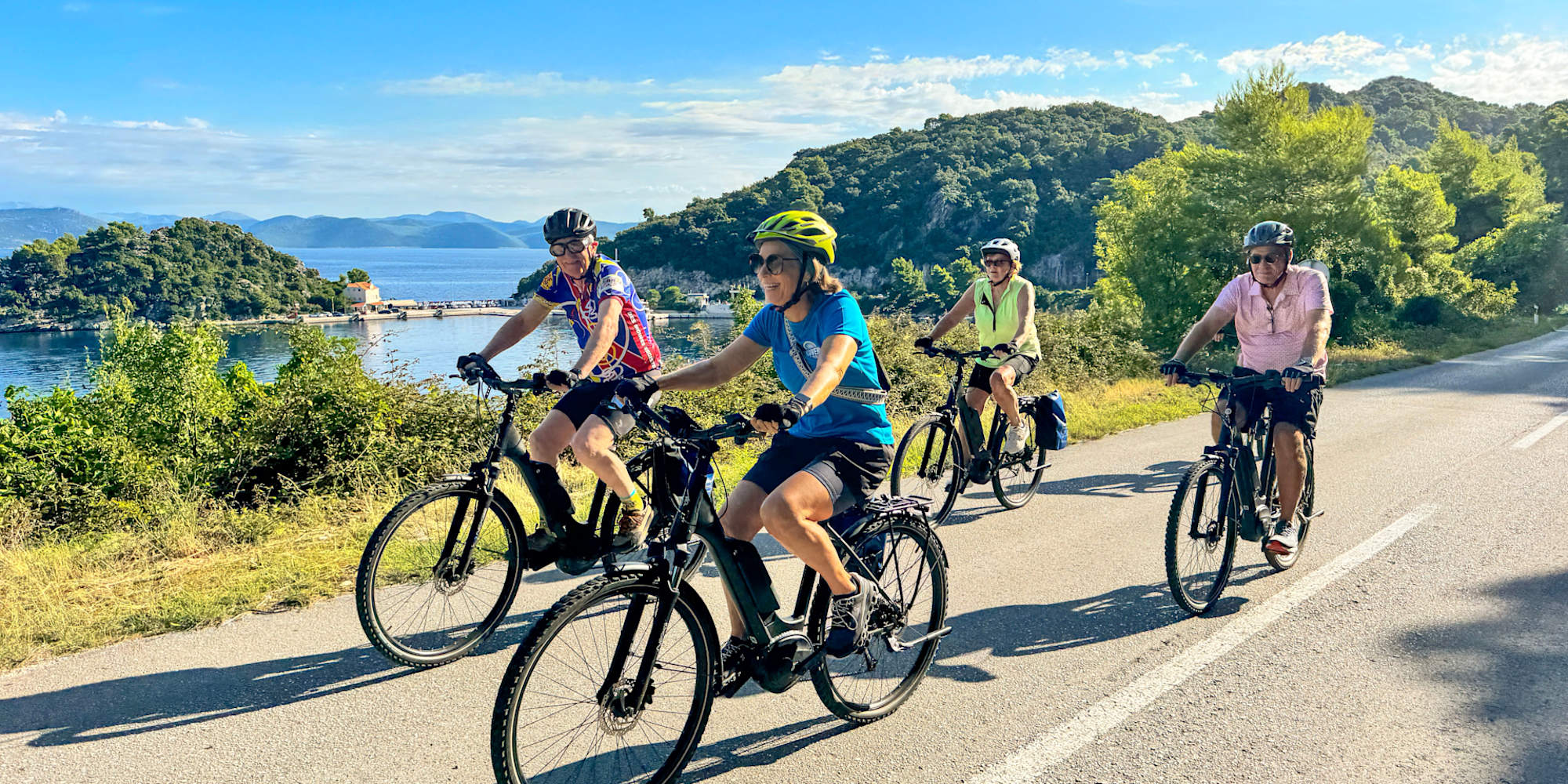
Independent cycling in Europe can be wonderful, but it asks a lot of the traveler. You need to choose safe routes, understand regional terrain, arrange bikes, handle luggage, book lodging, work around weather, know when to take a train or transfer, and still have energy to enjoy the destination.
A guided bike tour removes much of that friction. With Discovery Bicycle Tours, Europe trips are designed to feel active but supported. Many tours include highly experienced trip leaders, an average group size of about 12 people, a strong guest-to-guide ratio, carefully chosen accommodations, most meals, quality bikes, helmets, snacks, non-alcoholic drinks, Ride with GPS navigation, detailed route materials and modern support vans. On many itineraries, e-bikes are available or included depending on the tour style, which can be especially helpful for rolling terrain, longer days or couples and friends with different riding speeds.
Support does not mean the experience feels rigid. In fact, it often creates more freedom. If you want to ride the full day, you can enjoy the satisfaction of completing the route. If you would rather skip a climb, take a shorter option or rest in the van for a stretch, you can still be part of the day. Guides also add local insight: where to pause for the best view, which village specialty to try, how to understand the story behind a cathedral, castle, lighthouse, fort or Camino marker.
For travelers comparing guided versus independent Europe cycling, the question is not simply cost. It is how much of your travel energy you want to spend planning and problem-solving versus riding, eating, looking around and enjoying the company of others.
How to choose the right Europe bike tour for 2027
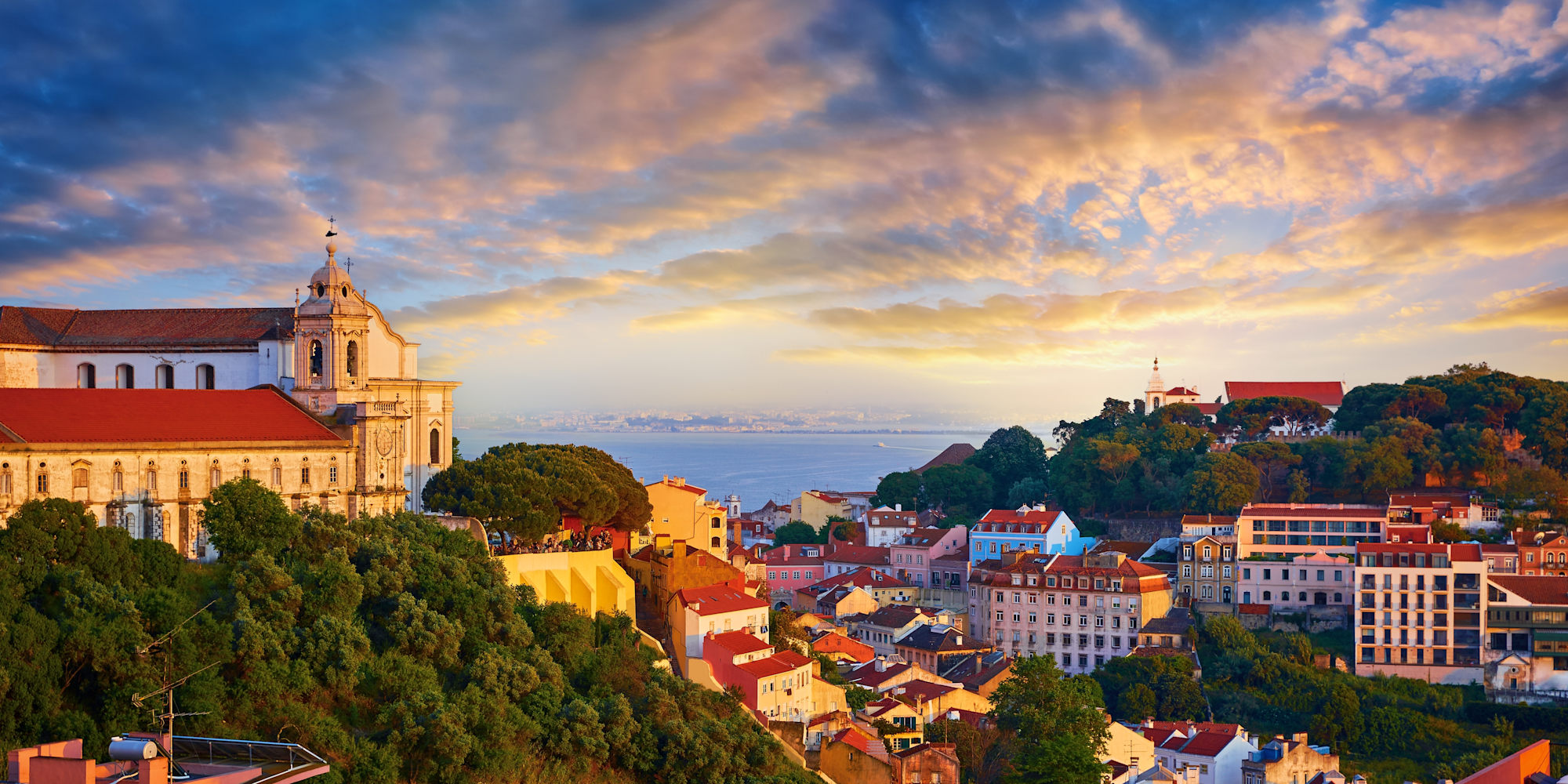
The best Europe bike tour depends on the kind of experience you want, your comfort with daily mileage and hills, and the landscapes that call to you most.
Choose Normandy if you want a gentler France cycling vacation with coastal roads, fishing ports, historic villages, D-Day beaches and a relaxed Level 2 pace. It suits travelers who enjoy history, seafood, countryside and meaningful cultural visits.
Choose the Camino de Santiago if you want a ride with a strong sense of purpose. Discovery’s León-to-Santiago route offers varied terrain, Camino landmarks, Galician hills and the emotional arrival into Santiago. The Portuguese Camino from Porto to Santiago adds Atlantic beaches, fishing towns, coastal paths, ferry crossings and historic cities. Both are Level 3 tours, ideal for riders who are comfortable with steady days, rolling terrain and some gravel or path surfaces.
Choose Portugal’s Évora to Algarve Coast tour if you want a warm, scenic ride from inland culture to dramatic ocean views. This Level 3 itinerary includes cork forests, castle towns, coastal villages, natural parks, cliffs, dunes and Cape St. Vincent.
Choose Costa Brava and Catalonia if you want Spain with Mediterranean color and a slightly gentler Level 2 profile. The 6-day tour begins in Girona and ends in Figueres, combining greenways, fishing villages, medieval towns, vineyard landscapes, seaside views and the Dalí Theatre-Museum.
Choose the Netherlands if you are drawn to bike-and-barge ease, flatter terrain, canals, rivers, tulips, windmills, vineyards and castles. Choose Croatia if you like the idea of island rides by e-bike with cruising time between ports. Choose Italy if you want a classic mix of scenery, food, wine, hill towns and rewarding rides.
As a broad rule, spring and fall are especially appealing for European cycling because temperatures are often more comfortable and popular destinations can feel calmer than midsummer. Summer can still be wonderful, particularly in northern or coastal regions, but heat, crowds and busier travel corridors may influence your choice.
The best time to visit Europe for cycling depends on the region: tulips in the Netherlands are a spring highlight, the Camino and Portugal are especially inviting in mild shoulder seasons, and coastal routes can be delightful when sea breezes and long daylight shape the day.
What should you pack? Bring comfortable cycling clothing, layers for changing weather, rain protection, sunglasses, sunscreen, casual clothes for evenings, and shoes you can walk in comfortably. Padded shorts are helpful, but you do not need to dress like a racer. The goal is comfort, not performance.
Ride Europe in 2027 with curiosity, comfort and support
Europe is best explored by bike because a bicycle keeps you close to the details that make travel feel alive. You hear the church bells, smell the sea air, notice the vineyard rows, coast into the village square and arrive at dinner with a true sense of the day behind you.
With Discovery Bicycle Tours, the experience is designed to feel welcoming, scenic and well-supported. The routes are chosen for beauty and enjoyment. The guides help bring each place to life. The vans, logistics, accommodations and meals allow you to relax into the journey. And the small-group style creates the easy camaraderie that often turns a good vacation into a memorable one.
For 2027, Europe offers a rich range of new possibilities: Normandy’s coastline and history, two unforgettable Camino journeys, Portugal from Évora to the Algarve, and Spain’s Costa Brava and Catalonia coast. Add in the Netherlands, Croatia and Italy, and you have a continent that seems almost made for discovery by bike.
The road is historic. The scenery is generous. The food tastes better after a ride. And the pace is just right for noticing it all.
Frequently Asked Questions
Have a question about choosing the right guided biking vacation in Europe? We’re always happy to help, and these FAQs cover a few of the things travelers often ask first.
What is the best time of year for a Europe bike tour?
Spring and fall are often ideal because temperatures are generally comfortable and many destinations feel less crowded than peak summer. Some regions have special seasonal highlights, such as spring tulips in the Netherlands or milder shoulder-season riding in Portugal and Spain.
How hard are Discovery Bicycle Tours’ Europe bike tours?
Europe tours vary by route. Level 2 tours such as Normandy or Costa Brava are generally easier to intermediate, while Level 3 tours such as the Camino routes and Portugal’s Évora to Algarve ride include more varied terrain, longer days or hillier sections. Travelers should choose the level that matches their comfort and prepare with regular riding before departure.
Do I need to be an experienced cyclist to ride in Europe?
You do not need to be an elite cyclist. You should be comfortable riding for multiple days in a row and able to manage the mileage and terrain of your chosen tour. Guided support, route options and vans help make the experience more achievable.
Should I choose a guided or independent Europe bike tour?
A guided tour is best if you want routes, accommodations, bikes, luggage logistics, local insight and support handled for you. Independent cycling may suit travelers who enjoy managing every detail themselves, but guided touring lets you spend more energy enjoying the ride and destination.
Are E-bikes available on Europe bike tours?
Many Discovery Bicycle Tours Europe itineraries offer e-bikes, depending on the route. E-bikes can help with hills, headwinds and riders with different fitness levels, while still keeping the experience active and engaging.
What should I pack for a Europe bike tour?
Pack comfortable cycling clothes, padded shorts if you like them, a lightweight rain layer, sun protection, sunglasses, casual evening clothes and comfortable walking shoes. Bring layers because coastal, river and mountain-adjacent regions can change weather quickly.
Written by Nicole for Discovery Bicycle Tours, drawing on DBT’s experience designing welcoming, scenic, guide-led bicycle tours since 1977.