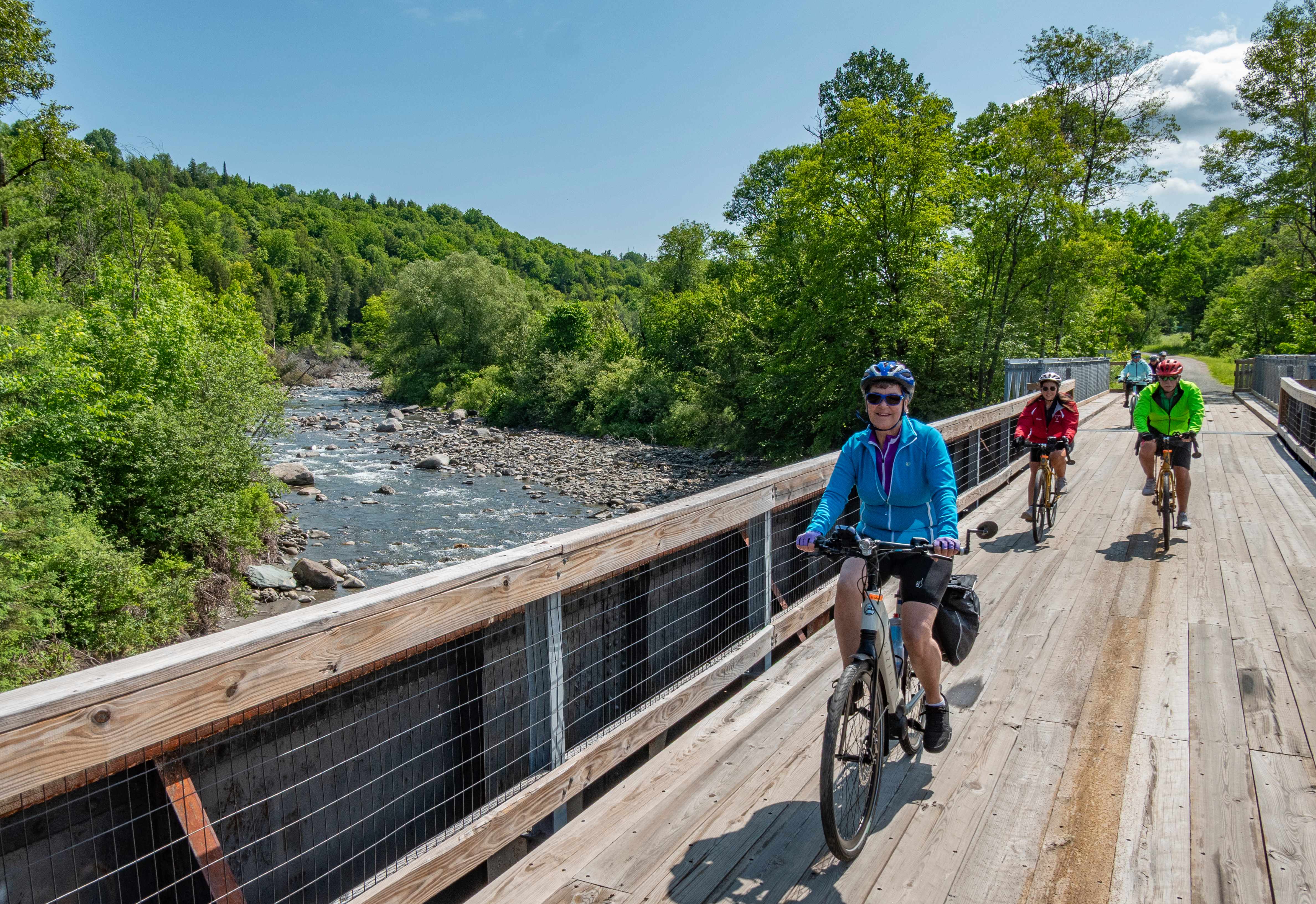
Every mile you pedal on a rail trail tells a story. As your wheels roll along smooth gravel or packed earth, you're tracing routes where steam locomotives once thundered through mountain passes, where coal trains carried the fuel that powered America's industrial revolution, and where passenger cars brought settlers west to build new lives.
These aren't just bike paths, they're living museums of American history, transformed from ribbons of steel into some of our most beloved cycling destinations. After 48 years of leading bike tours, we've discovered that understanding the rich stories behind these trails makes every ride infinitely more meaningful. Let us share the fascinating history of America's greatest rail trail adventures, and show you how these routes became the perfect cycling experiences they are today.
The Golden Age of American Railroads
To understand today's rail trails, we need to journey back to the 19th century when railroads were America's highways, connecting remote communities to the wider world and driving the nation's economic growth.
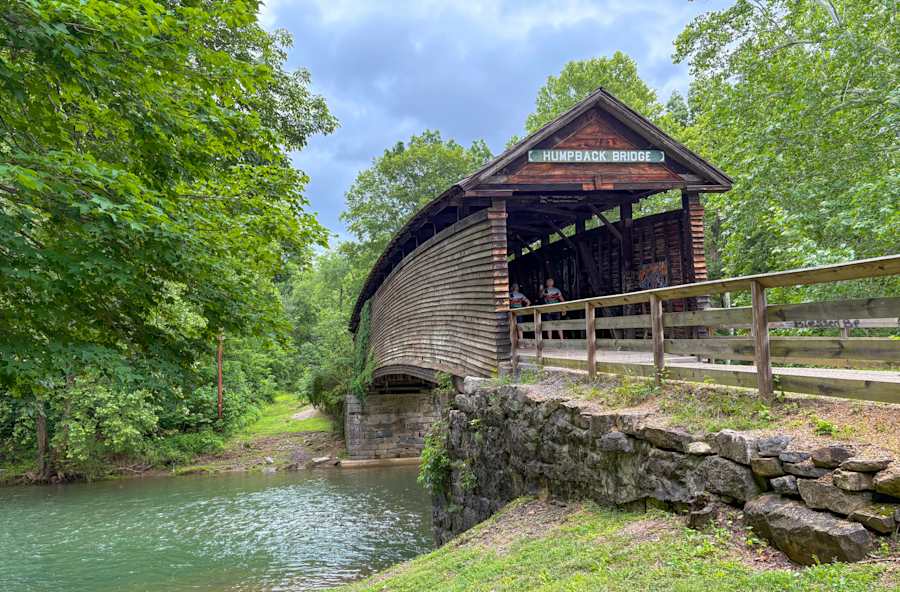
Railroad companies were some of the era's most ambitious engineers, carving routes through seemingly impossible terrain. They followed river valleys, blasted through mountain ranges, and bridged vast gorges, all because trains required gentle, consistent grades to operate efficiently. That engineering requirement, born of necessity over a century ago, is exactly what makes these converted trails so perfect for cycling today.
These rail lines weren't just transportation, they were lifelines that brought mail to isolated communities, carried farmers' crops to market, transported lumber from remote forests, and moved coal from mountain mines to power growing cities. Every rail trail you ride today once pulsed with the economic heartbeat of America.
The Great Allegheny Passage: From Coal Trains to Cycling Paradise
Perhaps no rail trail better exemplifies this transformation than the Great Allegheny Passage (GAP), which our guests consistently rank as one of America's most spectacular cycling experiences. This 150-mile route from Pittsburgh to Cumberland, Maryland, follows the paths of two historic railroads that once defined the industrial backbone of America.
The Western Maryland Railway Legacy
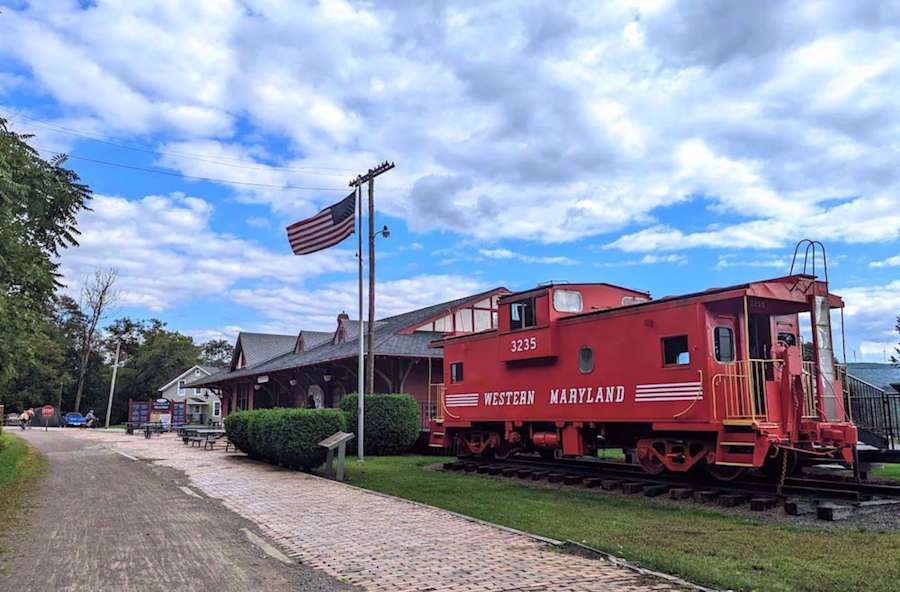
The western portion of the GAP traces the historic Western Maryland Railway, completed in the 1910s as an ambitious attempt to connect the coal fields of West Virginia with the port cities of the East Coast. This railroad represented one of the last great engineering challenges of the steam era—crossing the rugged Appalachian Mountains with grades gentle enough for heavily loaded coal trains.
The route's crown jewel, the Big Savage Tunnel, stretches 3,291 feet through the Continental Divide. When you ride through this tunnel today, you're following the exact path that thousands of coal trains took during the peak years of American industry. The darkness and cool air of the tunnel offer a moment to imagine the thunderous sound of steam locomotives echoing through this mountain passage.
The Pittsburgh & Lake Erie Connection
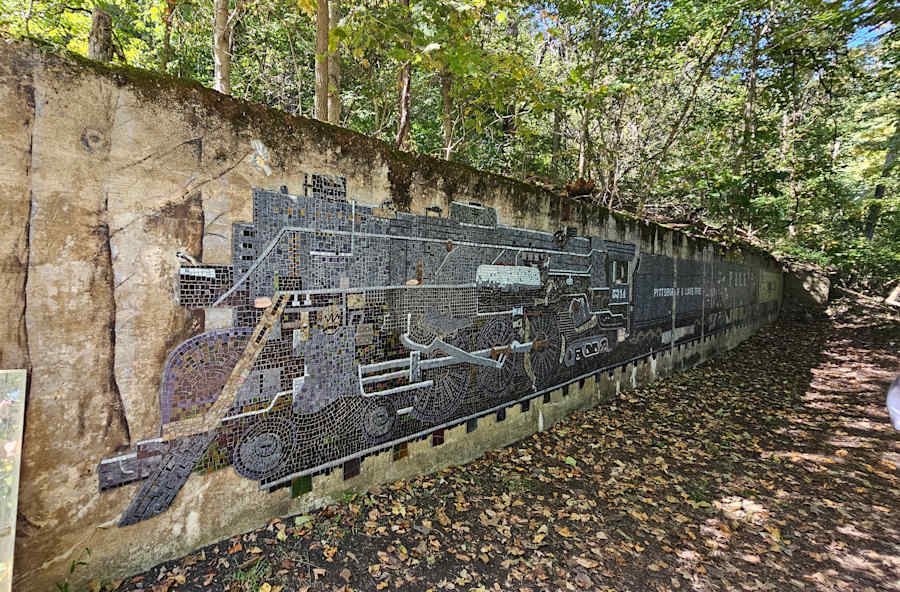
The eastern section follows the former Pittsburgh & Lake Erie Railroad, which connected Pittsburgh's steel mills with raw materials and markets throughout the Midwest. This line carried not just coal and steel, but the hopes and dreams of countless travelers seeking opportunity in America's growing industrial cities.
Today, when you pedal into Pittsburgh and see the city's three rivers converge, you're arriving exactly as railroad passengers did over a century ago, witnessing one of America's great urban landscapes from the same gentle grade that made rail travel so appealing.
Experience the Great Allegheny Passage for yourself on a 6-Day bike tour that meanders along the GAP and C&O Canal trails.
Missouri's Katy Trail: Following the Pioneer Railroad
The Missouri Katy Trail, America's longest rail trail at 237 miles, follows one of the most historically significant railroads in American expansion: the Missouri-Kansas-Texas Railroad, affectionately known as the "Katy."
Railroad as Nation Builder
The Katy Railroad wasn't just about transportation, it was about building a nation. Chartered in 1865, just as the Civil War ended, the railroad represented America's determination to unite a divided country through commerce and connection. The Katy carried settlers west, brought crops east, and connected small Missouri towns to the broader American economy.
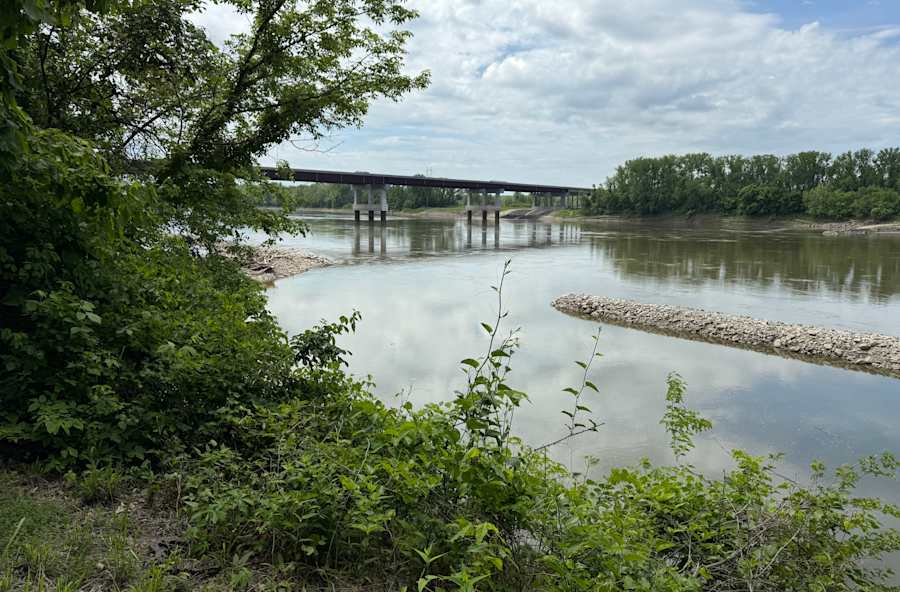
As you cycle along the Missouri River on the Katy Trail today, you're following the same route that carried thousands of pioneers toward new lives in the expanding American frontier. The gentle riverside grade that makes for such pleasant cycling was originally designed to help heavily loaded trains navigate the challenging terrain along the Missouri River valley.
Wine Country Legacy
The railroad's impact on Missouri's wine industry adds another layer to today's cycling experience. German immigrants who settled along the railroad corridor in the 1800s brought winemaking traditions that flourished thanks to the railroad's ability to transport their wines to distant markets. When you stop at Missouri wineries along the Katy Trail today, you're experiencing a continuation of commerce that began with the railroad over 150 years ago.
Experience the Katy Trail for yourself on the Missouri Katy Trail Bike Tour.
The Mickelson Trail: Black Hills Railroad History
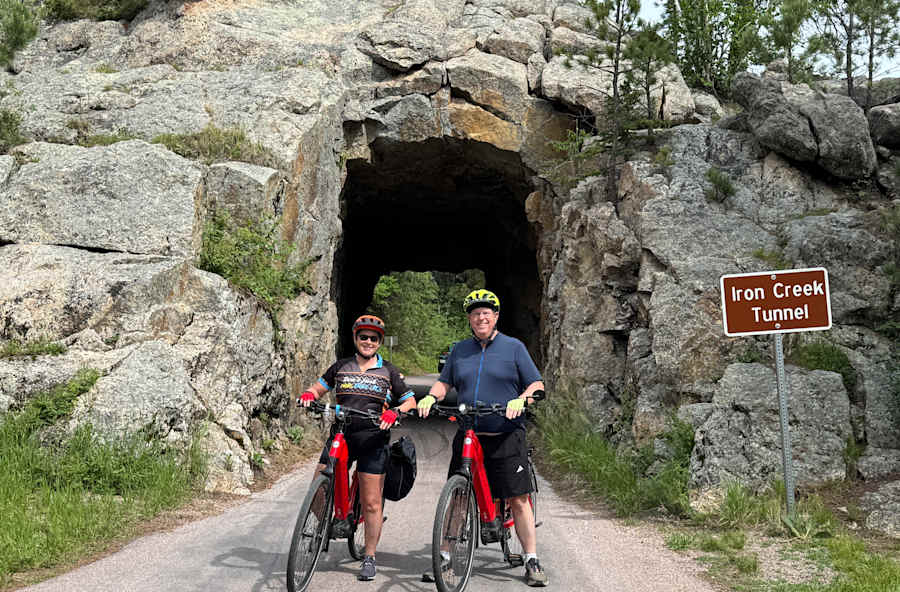
South Dakota's George S. Mickelson Trail offers a window into one of America's most dramatic railroad construction stories. This 109-mile trail through the Black Hills follows the historic Burlington Railroad route that connected the isolated communities of the Black Hills with the outside world.
Gold Rush Railroad
The Burlington Railroad's Black Hills line wasn't built for routine commerce—it was constructed to serve one of America's last great gold rushes. Beginning in the 1880s, this railroad carried prospectors, supplies, and equipment into the rugged Black Hills, while bringing gold, timber, and cattle out to national markets.
The railroad's route through tunnels and over trestles represents some of the most challenging railroad engineering of the era. When you ride through these same tunnels today, you're experiencing the determination of engineers who carved a path through solid rock to connect remote mining camps with the wider world.
Native American Heritage
The trail's name honors George S. Mickelson, a South Dakota governor who championed the trail's creation, but the railroad's history is deeply intertwined with the complex story of the Black Hills and their significance to Native American tribes. The route passes through landscapes that have been significant to the Lakota people for centuries, adding layers of cultural history to the cycling experience.
Bike back in time along the Black Hills & Mickelson Trail Bike Tour.
Wisconsin Rail Trails: Logging and Agriculture Legacy
Wisconsin's network of rail trails, which our new 2026 tour explores, tells the story of America's great northwoods logging era and the agricultural development that followed.
Logging Railroad Networks
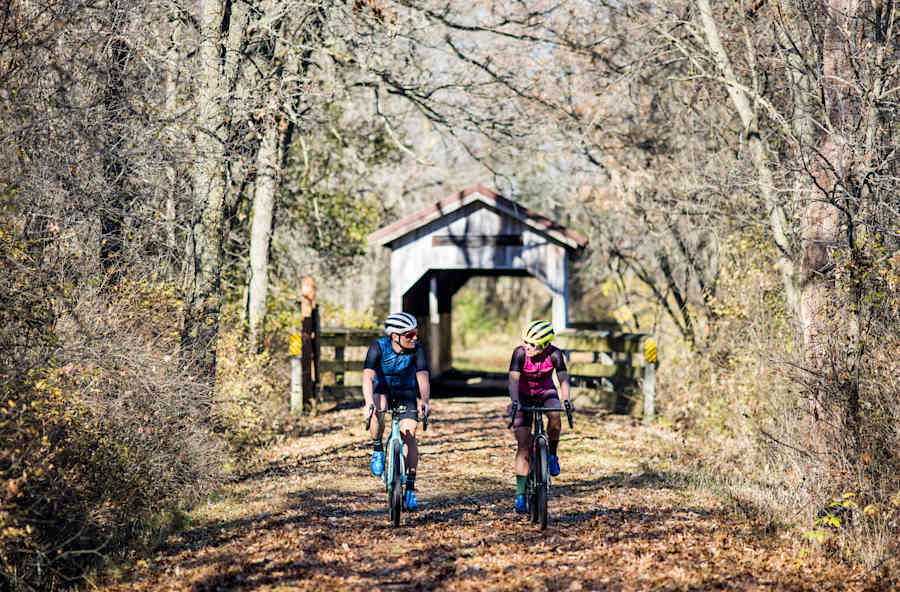
Many of Wisconsin's rail trails began as logging railroads that transported massive timber harvests from the state's vast forests to lumber mills and markets throughout the Midwest. These railroads were often temporary, built quickly to access particular timber stands, then abandoned when the trees were harvested.
The conversion of these logging railroads to recreational trails represents a remarkable transformation, from routes that took resources from the landscape to trails that help people connect with and appreciate the natural world that has regenerated in the decades since logging ended.
Agricultural Connections
As Wisconsin's economy shifted from logging to agriculture, many of these railroad lines found new purpose carrying dairy products, grains, and other agricultural goods to market. The rail trails that wind past Wisconsin's farms today follow routes that once helped establish the state's reputation as America's Dairyland.
Vermont Rail Trails: Mountain Engineering Marvels
Vermont's rail trails, including our new Vermont Rail Trails tour, showcase some of the most ingenious railroad engineering in New England. The Lamoille Valley Rail Trail, stretching 93 miles from Connecticut River to Lake Champlain, represents the culmination of railroad engineering efforts to connect Vermont's isolated communities with broader markets.
Cross-State Connection
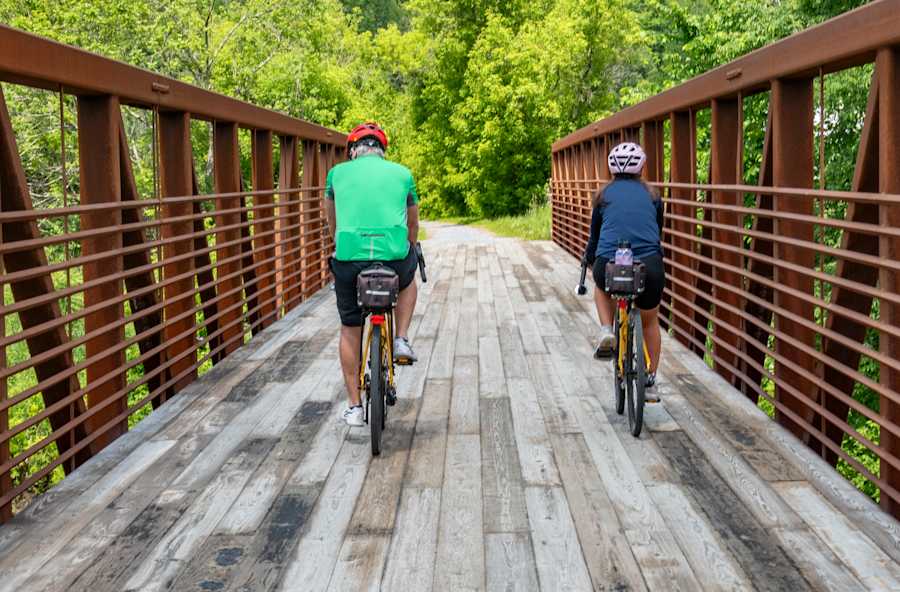
The Lamoille Valley Railroad, completed in sections between 1877 and 1897, fulfilled a long-held Vermont dream of creating a rail connection from the Connecticut River to Lake Champlain. This railroad required extraordinary engineering to navigate Vermont's challenging mountain terrain while maintaining the gentle grades necessary for steam locomotives.
The famous Colchester Causeway, where cyclists today ride "across an ocean" of Lake Champlain, was originally built as a railroad causeway in 1901. This 3-mile route across open water represented one of the most ambitious railroad projects in New England history.
Virginia's Appalachian Rail Trails: Coal and Iron Heritage
Virginia's rail trail network, featured in our Appalachian Rail Trails tour, traces some of America's most important industrial transportation routes. These trails follow railroads that carried coal from Appalachian mines and iron ore from mountain deposits to fuel American industry.
High Bridge Trail Legacy
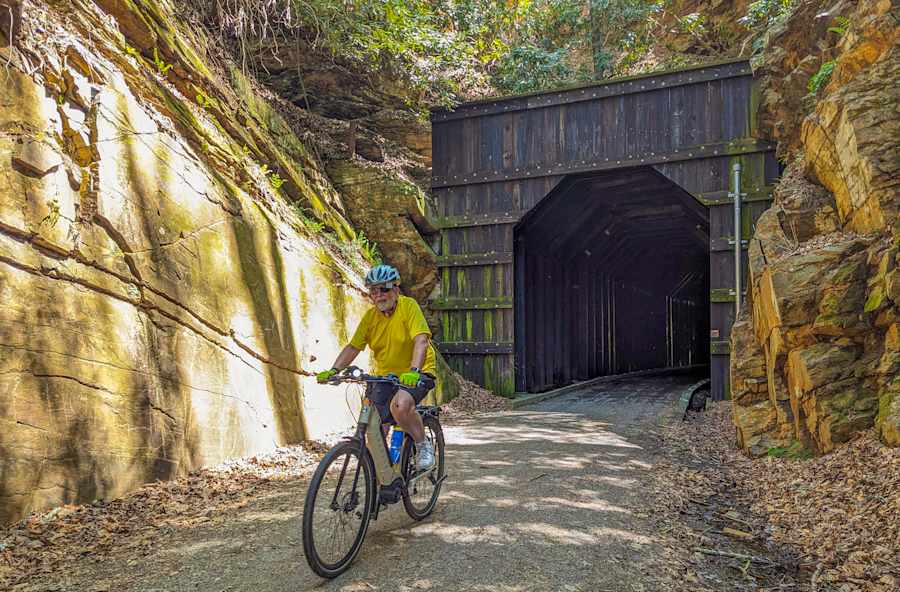
Virginia's High Bridge Trail includes one of the most dramatic railroad structures still in use today: the High Bridge itself, a 2,400-foot span that soars 125 feet above the Appomattox River. Originally built in 1914 to replace an earlier Civil War-era bridge, this structure represents the pinnacle of early 20th-century railroad engineering.
When you cycle across High Bridge today, you're crossing the same span that carried crucial supplies during both world wars, making this trail not just a recreational experience but a journey through pivotal moments in American history.
The Rails-to-Trails Transformation
The conversion of these historic railroad routes into cycling trails represents one of America's most successful conservation and recreation movements. Beginning in the 1960s, as railroads consolidated and abandoned less profitable routes, visionary communities recognized the potential to transform these corridors into public recreational assets.
Engineering Advantages
The same engineering requirements that made these routes perfect for railroads: gentle grades, efficient routing, and durable construction, make them ideal for cycling. Railroad engineers built for the long term, creating routes that have endured with minimal modification for over a century.
Community Connections
Historic railroad towns that once depended on train service for their economic survival have found new life as cyclist-friendly communities. Former train stations now serve as visitor centers, old railroad hotels welcome cycling tourists, and communities that were connected by rail over a century ago are once again linked by the common experience of travelers passing through.
Riding Through Living History
When you join us for a rail trail cycling adventure, you're not just enjoying beautiful scenery and gentle grades, you're participating in an ongoing American story. Every mile reveals new layers of history: the engineering challenges overcome by railroad builders, the communities that grew up around rail service, and the natural landscapes that have been preserved and restored along these corridors.
Our expert guides bring these stories to life, pointing out historic structures, explaining the significance of the routes you're traveling, and helping you understand how the landscapes you're cycling through shaped American history. The gentle conversations that develop during rail trail rides. The kind that happen when you're not fighting traffic or struggling up steep grades, create perfect opportunities to absorb and appreciate these rich historical connections.
Why Historic Rail Trails Make Perfect Modern Adventures
The historical significance of rail trails adds depth to every cycling experience, but it's the combination of history with outstanding recreational opportunities that makes these routes so special for modern bike tourists.
Gentle Grades, Rich Stories
The engineering requirements that made these routes perfect for steam locomotives—maximum grades of 2-3%, gentle curves, and efficient routing, create ideal conditions for cyclists of all abilities. But unlike purpose-built bike paths, rail trails come with built-in historical context that makes every mile more interesting.
Authentic Destinations
Rail trail cycling takes you through authentic American communities that developed around railroad service. These aren't manufactured tourist destinations, they're real places with genuine history, where local restaurants serve regional specialties and historic inns offer comfortable accommodation with character.
Living Museums
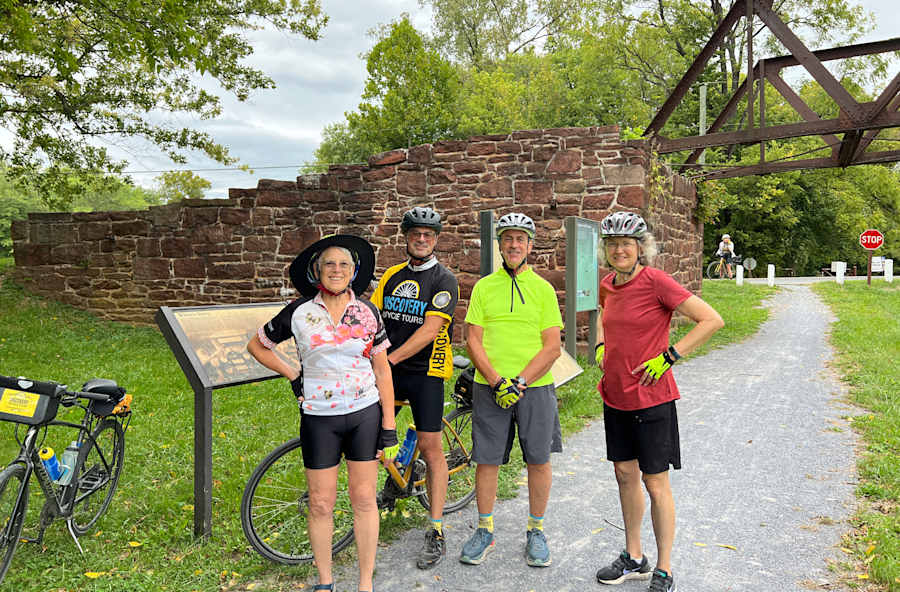
Rail trails function as linear museums where you can experience history at cycling pace. You have time to stop and explore historic structures, read interpretive signs, and absorb the stories of the landscapes you're passing through. The gentle grades mean you're never too exhausted to appreciate the historical context of your journey.
Your Historical Adventure Awaits
America's rail trails offer something unique in the world of cycling tourism: routes that combine outstanding recreational opportunities with rich historical experiences. Whether you're drawn to the industrial heritage of the Great Allegheny Passage, the frontier history of the Katy Trail, the mining legacy of the Mickelson Trail, or the engineering marvels of Vermont's mountain railroads, these trails offer journeys through both landscape and time.
The stories embedded in these trails, stories of engineering triumph, economic transformation, and community resilience, add meaning to every mile you pedal. When you choose a rail trail cycling adventure, you're not just selecting a recreational activity; you're choosing to participate in an ongoing American story that connects past innovation with present adventure.
These historic railroads once connected communities, carried commerce, and enabled the growth that built modern America. Today, as rail trails, they're creating new connections, between people and landscapes, between past and present, and between the simple joy of cycling and the rich complexity of American history.
Your journey through America's railroad heritage is waiting. All you need to do is start pedaling.